
If you’re a pet owner like me, you understand the importance of finding the perfect vet for your fur babies. I’ve lived with our beloved Gizmo for ten years now. Vet visits have become a regular part of our lives.
Over the years, we’ve had the opportunity to work with several veterinarians. It hasn’t always been a smooth journey. It took a few trials and errors to finally discover the right vet for us: Dr. Ryan Yandug III of Yandug Animal Care.
In this blog, I want to share the factors we considered and insights I’ve gained throughout this experience. I hope these help you choose the right vet with ease and confidence.
Key Factors to Consider When Choosing Your Vet
One good way to look for a new vet is to ask for recommendations or referrals from your friends and family who have been long-time pet owners. They’re likely to have had experiences with different vets. They’ll like only to recommend the ones who
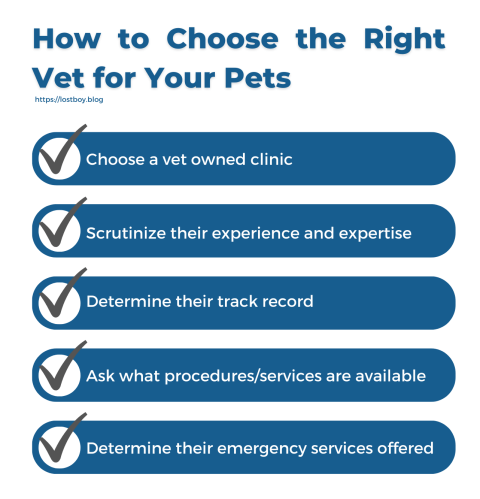
#1. Choose a vet-owned clinic: A vet-owned clinic has certain advantages. The main vet, who is the most experienced, examines your pets. These vets will likely have years of experience and extensive knowledge of your pet’s conditions.
Plus, the owner has a big vested interest in your pet’s health, his name, and the practice. You can often determine if the clinic is vet-owned by the name of the practice.
#2. Scrutinize their experience and expertise: Ask how long they’ve been in practice. Determine their field of specialization. Don’t leave your pet to chance and luck of being the first patient of a new vet.
If your pet has a specific condition or need, ask what their experience is in treating such conditions. Do you have an exotic pet? Make sure your vet also has experience in treating them. Every species has a specific need.
#3. Determine their track record: Ask previous patients about their experience with your prospective vet. Ask for recommendations from friends and family. They might be able to suggest a vet that they speak of highly.
#4. Ask what procedures/services are available: Do they have in-house laboratories? Do you have to go to another vet facility to get blood work, X-Rays, and serum tests? Having a vet facility that has access to these procedures will help you save time, effort, and money from going to and fro different vet clinics.
#5. Determine their emergency and other services: Choose a vet that can accommodate your pet’s needs beyond regular office hours. Ask if they emergency care, especially late nights and weekends.
You can also ask them if they offer home services. Some vets perform at-home vaccinations and consultations for a premium. This can help you save time and effort, as well as reduce the stress of travelling for your pets.
What about cost and location?
Cost and location are always key factors. Vet bills are not inexpensive. However, these are something we have learned to overlook.
Never compromise quality care over costs and convenience.
One of our previous vet clinics offers the most affordable services. They’re also a few blocks away from us, and we can just walk to their clinic. However, the quality of care Gizmo got from them wasn’t really satisfactory. Here’s why:
#1. Their lab work takes hours. For example, the result of CBC done in the morning is released at 04:00 PM. Sometimes even overnight. This caused treatment delays. They couldn’t create a treatment plan until they get the results.
#2. They refused reasonable procedures. When Gizmo was obstipated, we asked them to perform an enema for Gizmo. They said it was impossible and stressful for Gizmo.
However, Dr. Yandug, our new vet, immediately suggested an enema when he saw Gizmo’s condition. He also said that if an enema doesn’t work, a colonic cleansing can be done. Gizmo just needs to be sedated so the procedure goes well. And guess what, it worked.
#3. They had questionable prescription practices. When Gizmo had infections, they prescribed the same antibiotics even when it clearly didn’t work after 14-day treatments in the past.
Whenever Gizmo’s CBC reveals an infection, they’d prescribe the same antibiotic (cotrimoxazole) despite it being historically ineffective. This was one reason we decided to seek a new vet.
#4. They dismissed our concerns. When we expressed that we suspected Gizmo might have a megacolon, they were quick to rule it out without even examining Gizmo. No lab work. No physical exam. Just a quick, firm “no, it’s not megacolon” from them.
When we expressed the same to Dr. Yandug, he examined Gizmo and conducted several tests. Turns out, we were right. Gizmo does have a megacolon.
#5. They only addressed the signs and symptoms, not the condition. When Gizmo was suffering from obstipation, he had fecal build-up in his gastrointestinal tract that an infection. They only placed him on IV, administered IV antibiotics, and didn’t feed him for six days. They didn’t do anything to relieve him of the fecal build-up. They treated the infection, but not what was causing it.
Dr. Yandug was able to address the cause of Gizmo’s infection. He also explained Gizmo’s condition to us carefully and guided us on how to manage his diet so his obstipation from megacolon doesn’t recur.
#6. They had different answers to our questions. When we asked how much water should Gizmo take in a day, one of the vets said at least 3 liters based on his weight. When we asked again the next day, a different vet told us at least 300 ML. That’s a significant difference. That worried us whether they actually know the answer.
With Dr. Yandug, we get consistent answers. Even from his vet assistants and associates. It only shows their calibrated knowledge and expertise. It also shows how well they care for Gizmo to take time and remember his cases.

Conclusion
Choosing the right veterinarian for your pets is crucial for their well-being. Don’t compromise quality care for cost or convenience.
Look for vets who listen to your concerns, provide accurate diagnoses, and address the underlying causes of your pet’s conditions. Prioritize your pet’s health and conduct thorough research to find a vet who offers compassionate care and reliable services.
 Everlost